At SA Power Networks, we’re committed to delivering safe and reliable electricity to South Australians. Our work on the West Coast and Eyre Peninsula is strengthening the network and ensuring better service for communities across the region. Reliability improvements planned over the next five years include:
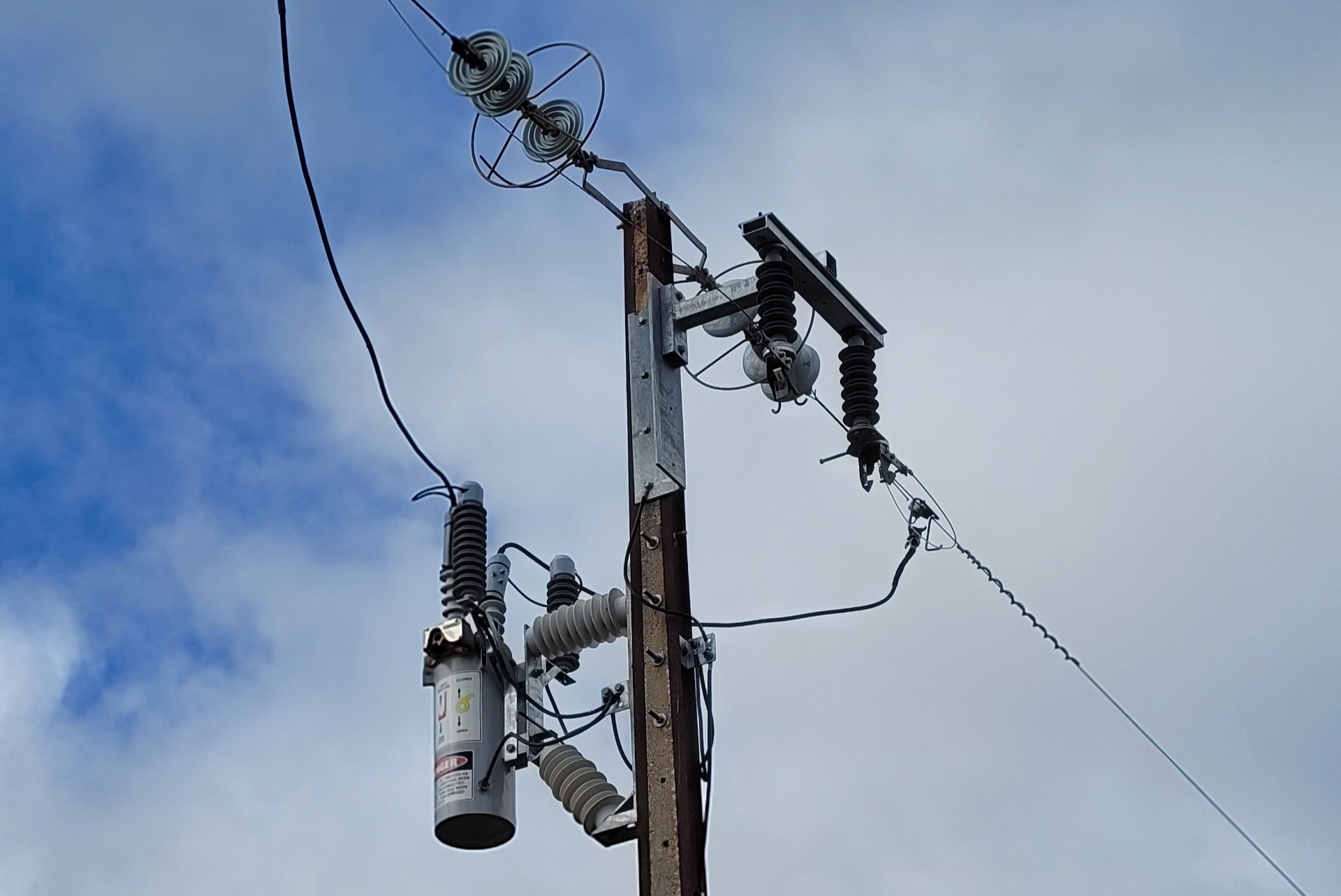
- Upgrading 143 SWER Switches - $7M
- Reinsulating 2,600 Poles - $5.5M
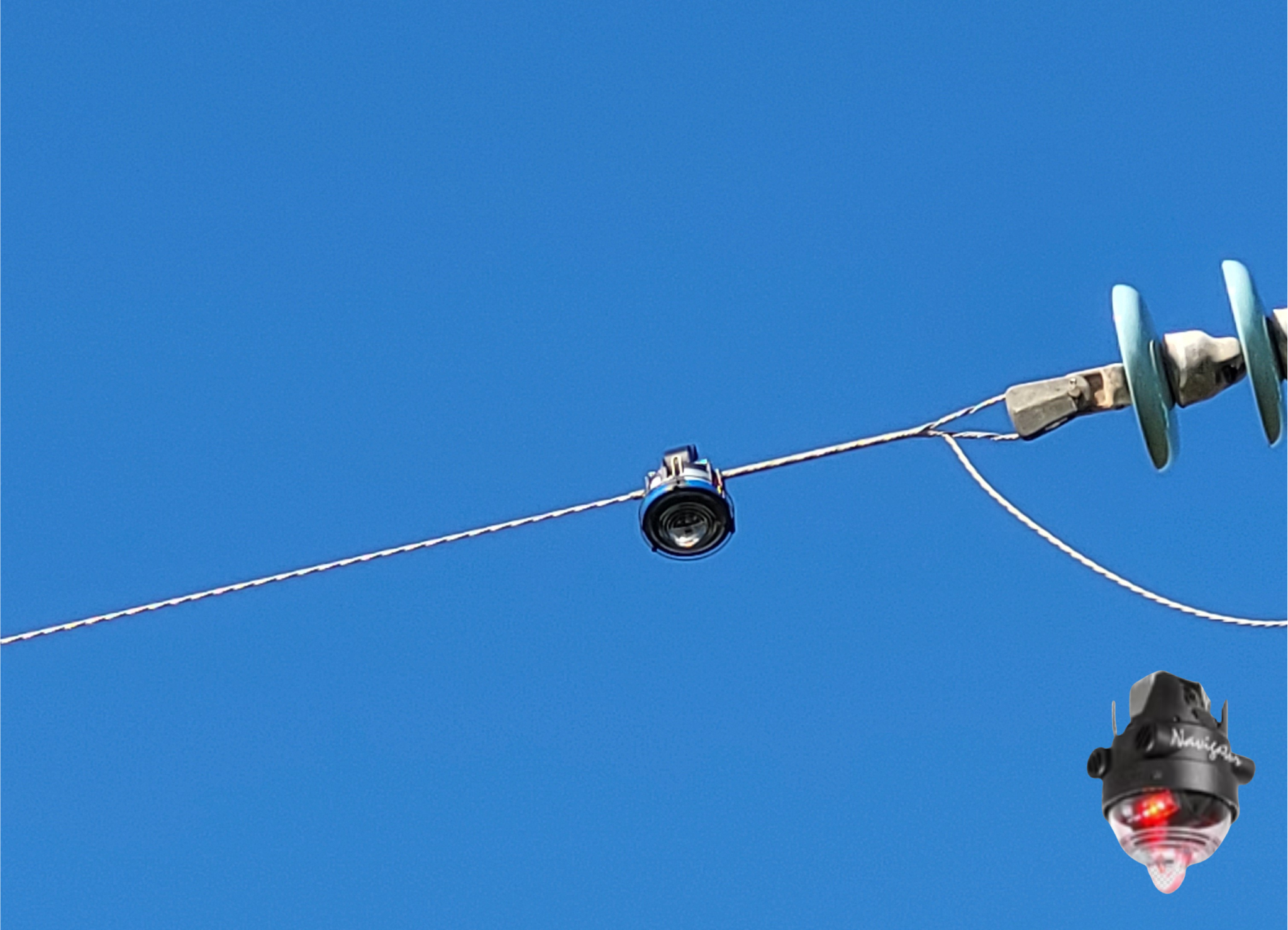
- Installing 171 Line fault Indicators - $1M
FAULT ISOLATION EQUIPMENT UPGRADES
We’re making significant upgrades to our Single Wire Earth Return (SWER) network that supplies rural and remote areas, addressing challenges caused by solar backfeed. When a home or business has a solar system installed, more electricity is often generated than the property uses. The extra power is fed back into the electricity network and is called solar backfeed.
With more solar systems feeding into the grid, our current fault isolation equipment isn’t always effective. Solar backfeed can affect how it operates, meaning larger sections of the network need to be checked when a fault occurs. We’re upgrading existing switches so they can manage more effectively, helping reduce outages and enabling crews to find and restore power quicker.
We have completed work in the Nunjimkopita region and more upgrades will be completed across the West Coast soon!
TARGETED FAULT INDICATORS IN ACTION
We’re installing additional Line Fault Indicators (LFIs) at key points across the network to improve supply restoration times. These devices indicate when and where a fault occurs by flashing different colours to assist our crews locate the fault quicker. Faster fault identification means shorter outages and a more reliable power supply for our customers. Strategically placing LFIs ensures we focus resources where they have the greatest impact.
KEEPING AHEAD OF COASTAL CORROSION
Coastal corrosion is a constant challenge for our network in these regions. Our local depots are focused on ongoing asset replacement projects to ensure the network remains safe and reliable. Regular inspections are conducted to identify infrastructure that needs upgrading, helping to maintain reliability and reduce risk to the community.
PROJECT SPOTLIGHT: DESALINATION PLAN - WATER FOR THE FUTURE
The Eyre Peninsula is set to benefit from a game-changing infrastructure project – the $330 million Eyre Peninsula Desalination Plant at Billy Lights Point near Port Lincoln. Once completed, the plant will produce 5.3 gigalitres of drinking water annually, providing a reliable, climate-resilient water supply for the region’s 35,000 residents.
Despite challenges such as rugged terrain for power line construction, this project is progressing steadily and is expected to be completed by mid-2026. This critical initiative will not only secure a long-term water supply but also support regional growth and resilience.
SA Water’s Desalination Project Information Centre in Port Lincoln is open weekdays from 10am-5:30pm. Engage with project team members and access up-to-date information.
ENERGY SOLUTIONS CLOSE TO HOME
Kimba will soon host one of South Australia’s first community resilience batteries, funded through the Australian Renewable Energy Agency (ARENA). To be installed at the Kimba District Football and Netball Clubrooms, the battery will provide backup power during outages.
In Kimba, the focus is on community resilience as the battery will keep essential services running and the community hub open during extended outages, a vital resource during storms or emergencies.
The project is part of an SA Power Networks trial to install eight community-scale batteries across regional South Australia. Each has been strategically placed to deliver local benefits, from supporting EV charging to strengthening the grid or providing backup supply.
The Kimba battery is expected to be energised in 2026, as part of state-wide roll-out in Robe, Lameroo, Parndana, Lochiel, Karoonda, and Hawker. Together, these batteries will build a more resilient energy future for the regions.
EMPLOYEE SPOTLIGHT
In Port Lincoln, the local depot team aren’t just powerline workers, they’re part of the community. Operations Supervisor Mark Davey knows the region well, having lived here for 20 years after growing up in nearby Port Neill.
For the past 18 months, he’s been leading the depot and guiding the team that keeps the power on, joined by other teams located in Ceduna, Cleve, Streaky Bay and Wudinna.
Outside of work, Mark is the head trainer at the Marble Range Football Club. Between football and storm season, winter is a busy time with Mark and his crews often out restoring power across the Eyre Peninsula.
Mark is proud that when bad weather hits and causes outages, the whole depot pulls together to get power back on as quickly as possible. “The improvements underway such as SWER switch and lightning resilient insulator upgrades will make a real difference to reliability in the region.”
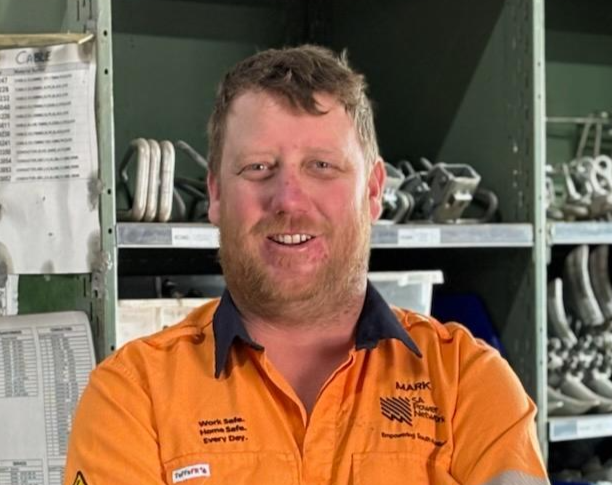
"It's personal because it's our own families, friends, and neighbours who are affected."
HARDENING THE NETWORK AGAINST STORMS
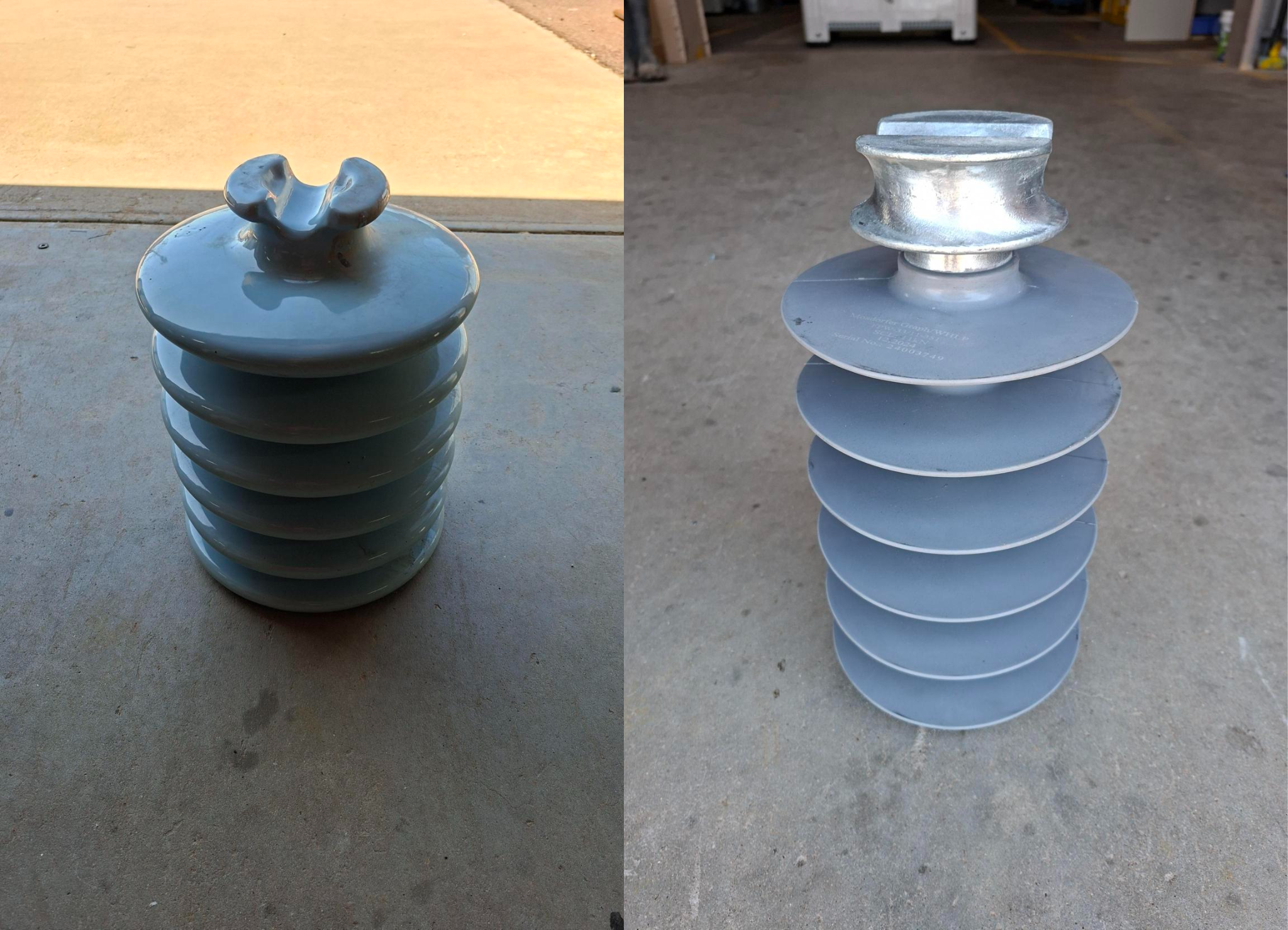
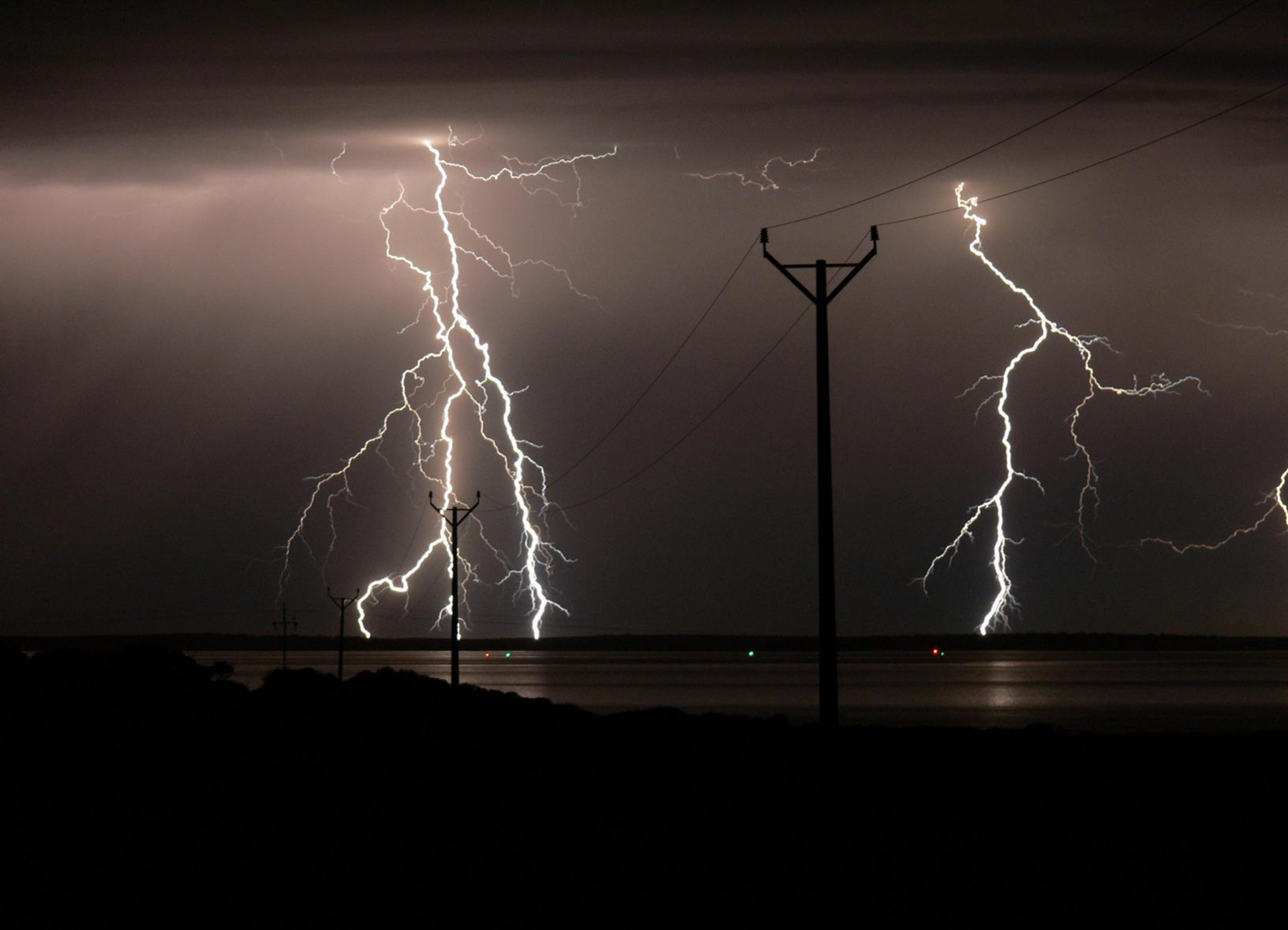
Lightning strikes are a major cause of power interruptions on the Eyre Peninsula and West Coast. To improve reliability, we are in the process of upgrading existing porcelain insulators to silicon ones which are lightning resilient, hardening the network against storms and reducing interruptions to customers.
LIGHTNING DAMAGE ISN'T ALWAYS EASY TO SEE
During severe weather or lightning storms, locating the cause of power outages can be challenging and time-consuming for field crews. Insulators damaged by lightning are often difficult to identify, especially with the poor visibility that typically accompanies stormy conditions.
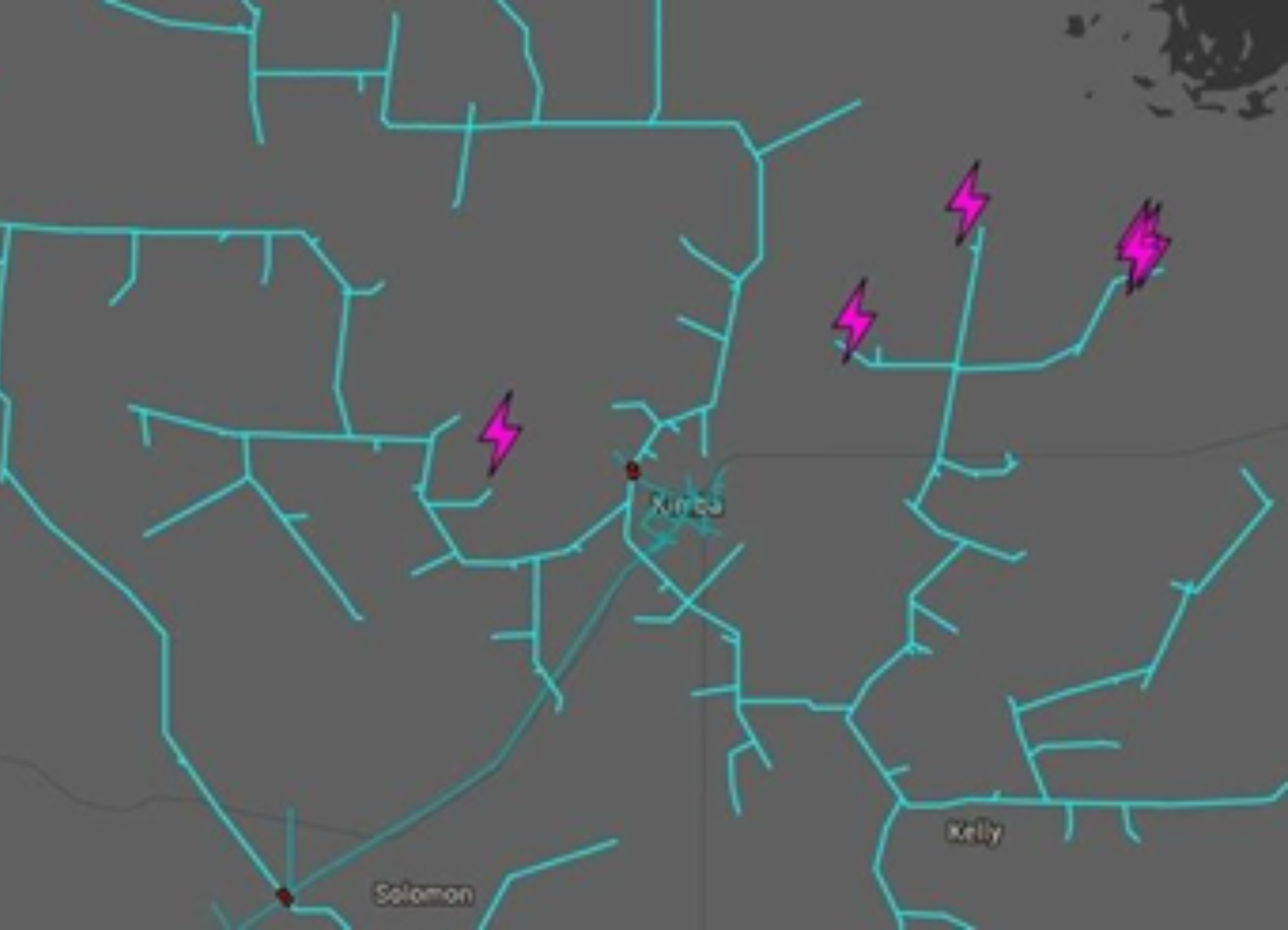
To address this, crews now utilise a strike locating tool when responding to outage call-outs during lightning storms. This tool allows them to quickly check if any lightning strikes have occurred near the network at the time of the interruption. By pinpointing potential damage locations more efficiently, crews can significantly reduce the time spent patrolling to identify lightning-related faults.
This initiative not only helps restore power to customers more quickly but also ensures that field crews can complete their work safely and return home sooner.
If you would like further information regarding any of our reliability improvement initiatives or work in the Eyre Region, please contact Erin Hampton, Stakeholder Engagement Business Partner at erin.hampton@sapowernetworks.com.au.